
Ever wonder about the positive ripples created by the businesses right in our backyard? Say hello to The Impact Collective—our new feature that spotlights North Island businesses investing in the social fabric of their communities and creating lasting change.
Through powerful stories and engaging videos, you’ll see how these local ventures are giving back, sparking growth, and strengthening the fabric of our neighborhoods. Get ready to be inspired by the impact happening right here at home.
Do you know a business going beyond to have a positive impact on your community that you think deserves a feature? Let us know via email: [email protected]

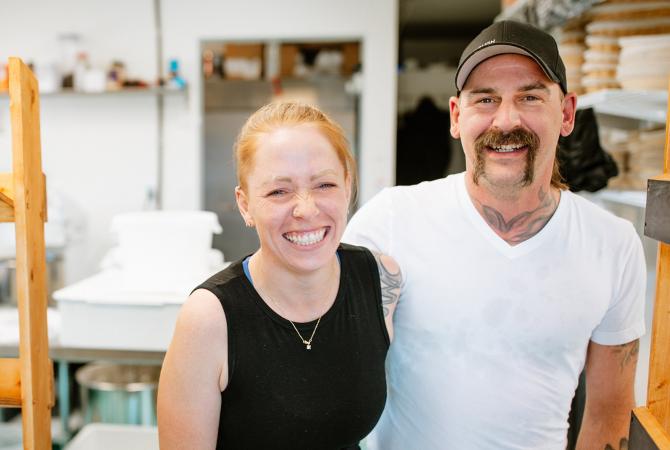
The Sourdough Whisperer - Room at the Table
Since it's inception, the Sourdough Whisperer has quietly become so much more than a neighbourhood bakery.
It's a place where ideas are nurtured, local makers find space to grow, and community support is woven into everyday business. From commercial kitchen rentals and an indoor makers' market to ongoing donations that help address food insecurity, Mandi Relyea-Voss and Brad Taddeo have created something special that extends far beyond the bakery walls.
At its heart, their story isn't just about artisan bread, it's about creating opportunities, building partnerships, and making room at the table for others to succeed.
We invited Mandi to share that story in her own words.
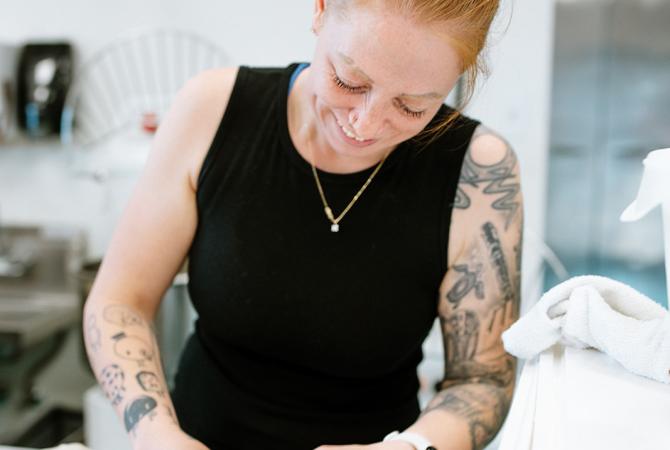
The Sourdough Whisperer & Friends - A Growing Family of Local Partners
Hi! I’m Mandi, and my partner (and business partner) Brad and I own The Sourdough Whisperer.
If you don’t know about us and how the bakery came to be, please read The Sourdough Whisperer: From Mother’s Kitchen to Main Street
While our roots are in sourdough, our growth has been fueled by blood, sweat, and tears - not in the dough of course - and incredible local partnerships.
We believe that small businesses are stronger together, and supporting local is baked into how we run our business (see what I did there).
We not only want to supply other local businesses, but we want to be a place where up and comers can come, grow, and chase their dreams.
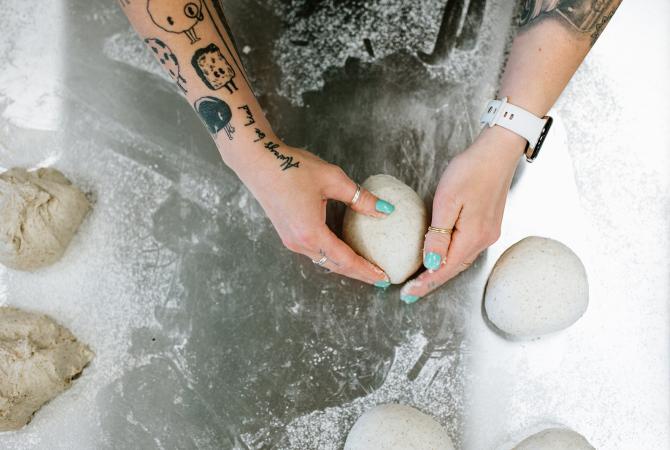
Local Partnerships
We are proud to provide the bread enjoyed at a few amazing local Campbell River businesses.
Ideal Café was the first one to take a chance on us - I sought out Steph because it was a goal for my bread to be served at my favourite breakfast spot. They have seen us through some not so “Ideal” bread - but stuck it out - and are a true example of small business cooperation. They started buying from us in October of 2024, our first year…and have received weekly deliveries ever since.
We also had a few short-term partnerships with local businesses, but are not currently supplying anyone other than Ideal Cafe in Campbell River.
However, we are working with an awesome business in Gold River! Adam, from The Salty Crepe Co., is using our bread in his sandwiches as well as offering them to the community twice a week (which lines up with trips to Campbell River).
We are also working on a couple other things right now, with hopes to make announcements in the fall - so please follow along on our social media channels so don’t miss any of the announcements.

Building a Community Hub in Campbellton
The bakery has become more than just a place to buy baked goods (but please come buy baked goods).
In late 2025 we made some big changes, I did all the paperwork, got the approval from our landlord (great guy by the way), and we added two additional elements to our space in hopes of encouraging other local entrepreneurs.
Brad and I know how hard it is to find affordable, professional space. We looked at SO many spots when we decided to leave the first location, and spend considerable time with pros and cons lists before deciding on our current location.
With that in mind, we launched two new initiatives in late 2025:
- The Indoor Mini Market: We cleared out our on-site office and opened up that space (just off our retail storefront) to other makers, bakers, and crafters. For $20 a day (Thursday–Sunday), local entrepreneurs can set up a table inside the mini market room, benefiting from our foot traffic and social media promotion without the stress of outdoor weather or long-term leases.
- Commercial Kitchen Rentals: For those looking to scale up their own food business, we offer professional kitchen rental space. It’s a low-risk way for local creators to access a certified environment and take their products to the next level.
These two things both stand on their own and go hand-in-hand. For an up and coming home baker that needs more space - there is the opportunity to use a VIHA approved rental kitchen, and then turn around and set up a table in the mini market to sell and test their products (pretty cool, right?)
For non-food businesses that are just starting out and don’t have much money, or are un-sure of how their products will sell, the mini-market offers a low-cost option with some built-in foot traffic so they can get in front of eyes, and see how their products are received.
Both of these initiatives have had slow starts. We have a couple return market vendors, and a few who have come just once - which is totally fine. We don’t discriminate on who we allow to enter. We don’t judge your craftsmanship, we don’t judge your booth set up, we just give makers and creators a space to share their creations with our customers.
And, we have actually had customers of the market vendors come into the bakery JUST to see the vendors (who are not normal bakery customers), which we think is amazing too. It gives the home based makers a place to send people to view products or pick up pre-orders instead of having a string of people through their home - which can be a little overwhelming at times.
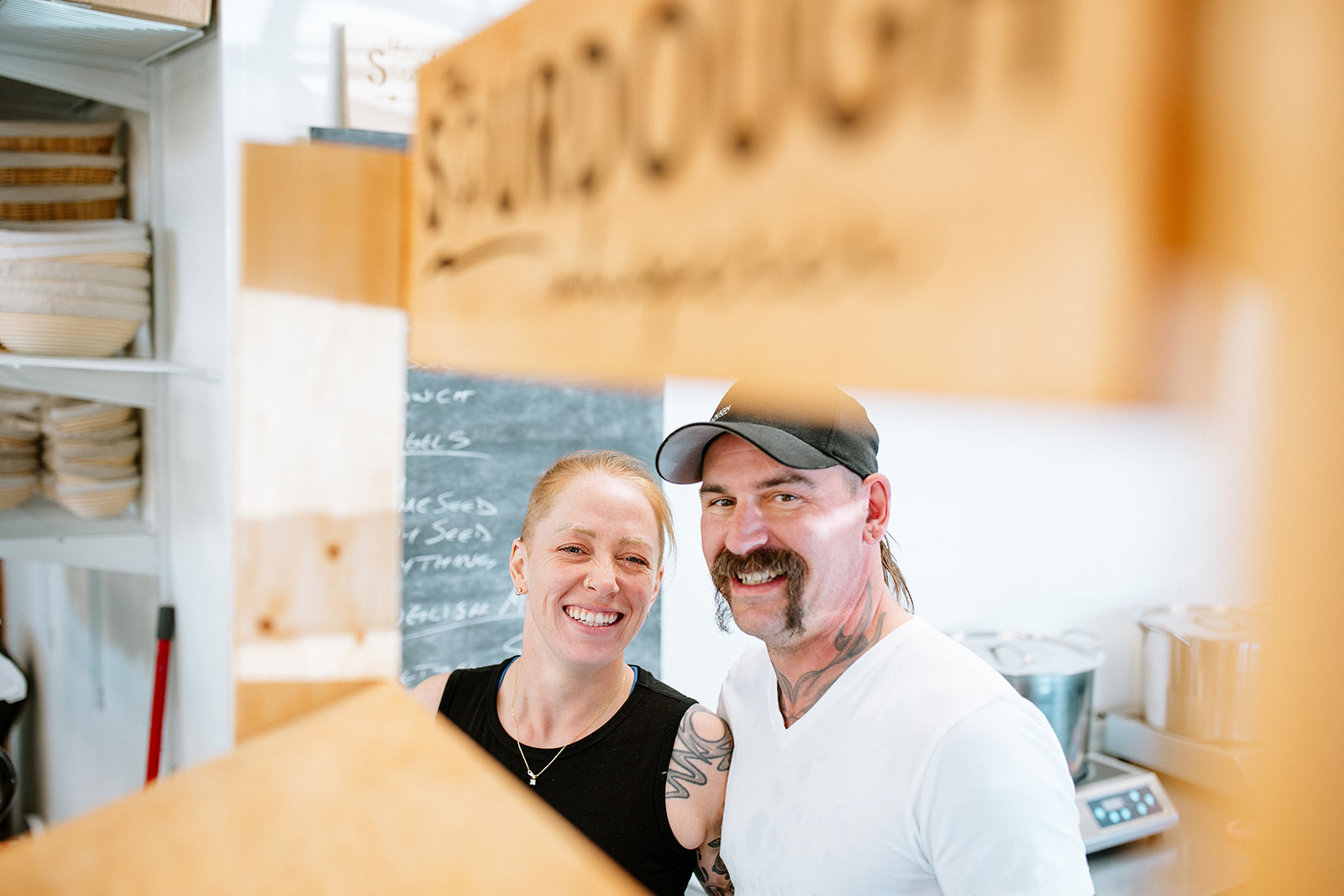
Baking for a Better Campbell River
Next is the part we love talking about the most - how we give back to the community.
At the end of the day, bread is meant to be shared. Brad and I believe that everyone in our community deserves access to fresh, nutritious food. This is why we are committed to regular donations to organizations that do the heavy lifting in Campbell River.
Food insecurity is at all-time high, and it seems that no matter how much funding or donations these organizations receive, it is never enough to help everyone that is in need.
We donate in a few different ways.
First of all, I get lots of requests for donations to silent auctions for local groups and non-profits. It is a blanket yes from me - and always a $50 gift card. That is enough to come and get a few loaves or bread from us.
Secondly, we donate day-old products directly to organizations that need them. These donations are left-over bread (and other baked goods) that is not sold on Sunday. We don’t donate every week because sometimes we sell out (and we love that). But, there is absolutely no reason that food should go to waste, so anything that is left over on Sunday is packed up and donated on Monday.
We are honored to support:
- Campbell River Food Bank
- Evergreen House (Salvation Army Men's Shelter)
- Campbell River Women’s Resource Centre
- John Howard Society
- Salvation Army Lighthouse – Community Kitchen
- Sacred Rebels
- Care Mongering Campbell River
Lastly, and this one was an accidental way to make our products more accessible, we have half-off days after slow weekends.
If it is particularly slow on a Sunday I share on social media so that those who may not be able to afford our products regularly have a chance to come try them. This is when a donation would be too much of a financial hit and we’re trying to recoup some of the money for our hard work.
What we did not think when running our first of these is the number of people that would come in and say that “they cannot afford our products normally and are excited to be able to try them at a discount, and still support our business.” This hit me hard, because they are right. We’re an artisan bakery and our products are not cheap - so when we offer a 50% off or a 25% off day, it brings the price point down to a level comfortable for those who cannot afford it normally. And it makes them happy because they are able to support us and enjoy our products.
At the end of the day, bread is just flour, water, and salt—it’s the people who turn it into something more.

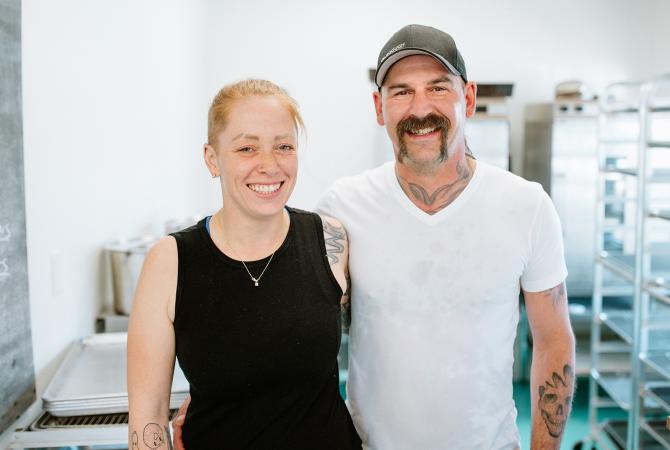
Brad and I are so incredibly grateful for the partners who took a chance on us, the vendors who trust us with their crafts, and every single one of you who walks through our doors. Whether you’re coming in for a full-priced loaf or stopping by on a discount day, please know that you’re the reason we can keep doing this. You’re the reason we can keep those donations going to the Food Bank and keep our kitchen open for the next big dreamer.
We’re not just building a business; we’re building a life here with all of you. Thank you for being part of our story and for letting us be a small part of yours.
We’ll see you at the bakery!
2011 Island Hwy, Campbell River, BC V9W 2G5
Instagram
Facebook
Website
Like A Voss Inc.
Facebook
Website
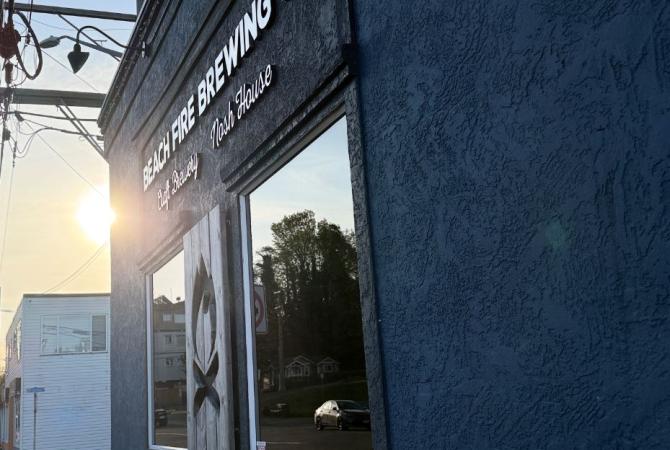
Beach Fire Brewing
If you ask owner Darrin Finnerty about the roots of this Campbell River business he will tell you that Beach Fire was born out of deep friendships, genuine love for exceptional beer, and a shared passion for making (and enjoying) amazing food.
What is it about this community gathering hot spot that we love so much? 80's music trivia nights? The food, the beer, the chill vibe? The community fundraisers and sponsorships they do (and there are a lot), or their commitment to providing opportunities to young workers? How about the fabulous cast of characters that make that magic all happen?
For a small business, Beach Fire makes a big impact on Campbell River and we can't think of a better way to share their story then to invite them to tell it themselves.
Beach Fire Brewing: The Culture
Beach Fire Brewing: The Youth Experience
Beach Fire Brewing: 1 Thing You Should Know
Alissa Assu
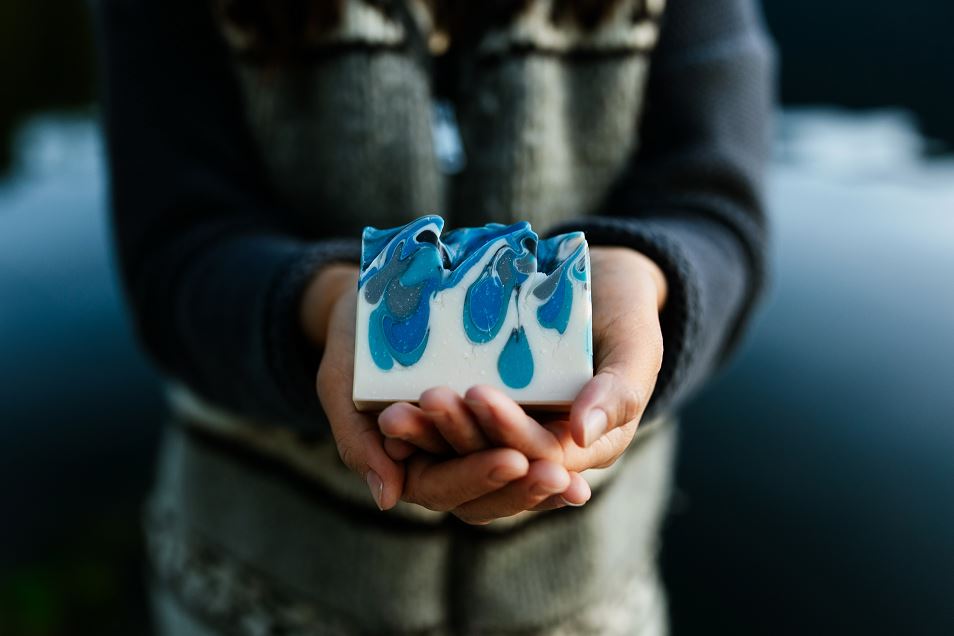
In our second feature of The Impact Collective, we welcome Alissa Assu: the powerhouse behind West Coast Wildflowers, RavenSong Soaps & Candles, and Bear Essential Oils. A visionary entrepreneur lifting up Indigenous art, culture, and social enterprise, Alissa and her teams are proving that business can be bold, beautiful, and make a real impact.
We asked Alissa to share her journey, and now we’re excited to bring you her story—straight from the source, full of inspiration and insight.
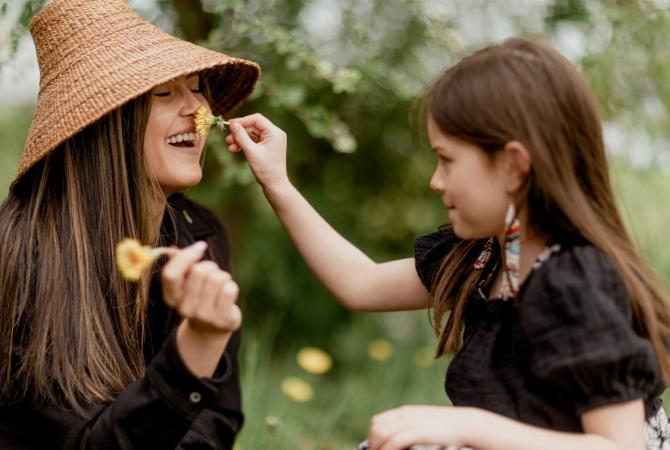
“My name is Alissa Assu (Derrick-Nguyễn), I am Nisga’a, Vietnamese, and a proud member of the Wet’suwet’en First Nation—Laksamshu (Fireweed and Owl) Clan with support from the Gitdumden Clan (Wolf/Bear).
Raised by my grandmother, Skokum’halyte (Emma Derrick), alongside four siblings (Christine, Nicholas, William and Samantha). We moved around Northern B.C. from Port Ed, Telkwa and eventually found roots in Smithers. Growing up, I was wrapped in sports and the traditions of feasting, food gathering, and cultural camps. For reasons I didn’t understand at the time, my grandmother insisted that I attend every feast (payback, smoke, etc.), every funeral, every cultural gathering. By twelve years old, I had been to more funerals and smoke feasts than birthday parties. That immersion created both love and resistance in me: I wanted to be proud of who I was, but the weight of loss and ceremony at such a young age sometimes felt overwhelming.
By age fifteen, I was a youth-in-care under a youth agreement. Shortly after my father’s passing by suicide, I made a daring decision, supported by Badminton BC and my social workers from Prince Rupert and Vancouver, I bought a one-way ticket to Vancouver, carrying only a backpack, a garbage bag full of clothes, and a small suitcase. That leap, propelled by determination, changed everything. I earned a sponsorship from Victor Canada, trained at the Vancouver Racquets Club, and went on to compete in the BC Winter Games, win the BC High School Provincial Championships with Eric Hamber Secondary School, and compete at three Junior Canadian National Badminton Championships, each tournament fortifying my resilience and grounding me in sport.
Without badminton, I would never have met my kidney donor Adrienne Charlie during my time at Langara College, a meeting that would change the trajectory of my life. In fact, we planned the transplant for the summer to allow us both to recover and return to school in the fall. After graduating from college, I transferred to Simon Fraser University, but just one week after my kidney transplant, a clerical error from Langara College caused me to lose funding from my Nation. Somehow, I persevered, leaning on bursaries and scholarships I had been fortunate enough to apply for beforehand through my community engagement, and even selling Mary Kay to cover my tuition. By the following semester, the clerical error was discovered and my funding was reinstated. During that time, I had already proven to myself that resilience and creativity could carry me through obstacles far greater than I had imagined.
During Langara College, I took Canadian Aboriginal Law and Canadian Aboriginal Experience with Professor Kory Wilson. The course examined relations between Aboriginal people and the Canadian government including treaties, modern treaty-making, political negotiations, legislation, and the recognition of Aboriginal rights under the Canadian constitution. The role of Aboriginal law and traditions will be included as well as contemporary changes, reforms, and the potential these have for Aboriginal self-government. Learning the experience of the Aboriginal peoples of Canada from pre-contact to present, I was not only learning about Indigenous people—I was learning about myself.
From the beginning, this wasn't just about learning, it was about becoming. Every time I read a testimony, an academic study, or a historical account, it wasn't abstract. It was my family’s story, my own. The weight of generational pain I had always felt but did not yet have words for, the way I was raised, the questions I carried as a young person searching for my place—started to make sense. I was asking as a young person trying to discover who I was and what kind of impact I wanted to leave in my community. I still remember being only 17 years old and realizing that this was the first time in my life I was learning about residential schools—our own stories, hidden from us in the public education system and not spoken about inside at home. That knowledge was both devastating and awakening; it reshaped how I saw myself, my family, and the path I wanted to take. I felt a strong need for change but navigating that at a young age led to burnout. I eventually stepped back. What remained was a deeper commitment to affect change in a place where I could sustain it: first through youth and sport, and now through entrepreneurship.
While earning my degree at Simon Fraser University, I joined the First Nations Student Association (FNSA) as a board member—an opportunity that opened into launching the first National Aboriginal Criminology Series at Simon Fraser University. Drawing from the Pacific and Business Law Institute’s “Rethinking Justice” model, we invited guests ranging from Indigenous people making first contact with the justice system, to individuals approaching their warrant expiry after serving two-thirds of their sentences. The series opened difficult conversations, framed resilience, and spotlighted lives too often overshadowed. Alongside that, I supported over fifty Indigenous-led events and workshops—from National Indigenous People’s Day celebrations and drum-making sessions to peer mentoring circles.
I also had the incredible privilege of participating in a cultural and academic exchange: travelling from SFU to Griffith University in Brisbane, Australia. There, the shared threads between First Nations cultures and Aboriginal and Torres Strait Islander traditions affirmed that our struggles, identities, and strengths are global and interwoven. In my final year attending Simon Fraser University, I also worked as an Aboriginal Community Liaison Officer, in partnership with the Fraser Region Aboriginal Friendship Centre and the Correctional Service of Canada, a role inspired by my childhood neighbor Mike Cook (a police officer) and his wife Amy Cook (a dentist).
It was during this time, I met my partner in life and business, Cody Assu who is a skipper of a seine vessel called the Haida Girl. Eventually, I resigned as ACLO from Metro Vancouver East Community Corrections in Vancouver and moved to Campbell River on Vancouver Island.
For years, my husband and I began the journey of trying to conceive. We met with my renal doctors, received specialist referrals to BC Women's Hospital and began to explore isolating a gene to prevent kidney failure in our child. We considered surrogacy and adoption. Despite our best efforts of researching specialist with the support of BC Women's Hospital and extending support to doctors in Belgium, we would not discover the gene to prevent my child from undergoing a future kidney transplant. In our hearts, we eventually tried naturally, and our son Ember joined us at just 27 weeks, weighing one pound. Our family spent 156 days in hospital, and after 105 of those days, my son was finally able to leave the Bumblebee Pod at BC Children’s Hospital. During that same time, I permanently lost 20% of my kidney function. Because of the accelerated, high-intensity life I had already been living, you could say I was moving through postpartum while also experiencing an early mid-life crisis—during maternity leave, no less.
The fear of dying returned, louder than before, and with it came an unrelenting question: what have I left behind? What impact, what legacy? Have I created something bold enough to truly support those in our communities"?
Unaware of the language or diagnosis of postpartum depression, I instead leaned into something that felt both familiar and new: the healing journey of building community.
And in that space of uncertainty, survival, and renewal—West Coast Wildflowers bloomed. Before planting the seeds and the entrepreneurship became my path, I served as the Provincial Coordinator, Performance Sport with I·SPARC (Indigenous Sport, Physical Activity & Recreation Council). In that role, I helped coordinate youth-based competitive sport programs, provincial championships, athlete development camps, and Team BC initiatives. I built partnerships with First Nations, Friendship Centres, Métis communities, and provincial sport organizations across B.C.—work that gave me the confidence and transferable skills I rely on in entrepreneurship today. In 2008, I proudly represented Team BC at the North American Indigenous Games, where I earned gold, silver, and bronze medals. That experience not only solidified my love for sport but also planted the seeds of leadership and advocacy that would later guide my career.
Sport has truly come full circle in my life. I’ve not only been an athlete but also a facilitator, helping to run badminton camps in Northern B.C., and most recently a volunteer. At the most recent North American Indigenous Games in Nova Scotia, I supported Team BC’s 19U Male Softball team, who went on to earn a gold medal. To have been an athlete, staff member, and now a volunteer in this journey is something I carry with pride and it reflects the way sport continues to shape my resilience, leadership, and commitment to community.
Sport and education have been my lifelines amid expectation and stereotype. As a second-generation immigrant, I felt the pressure of Southeast Asian parents urging me toward careers like law or medicine, even as I confronted stereotypes about my Indigenous identity. Sport gave me confidence. Education gave me voice. Today, I walk with all parts of my identity Indigenous and Southeast Asian fiercely, fully, even uncomfortably, when necessary, because that complexity is my truth. I show up whole because healing doesn’t come from hiding, but from speaking up, embracing discomfort, and telling truths, even when they don’t fit anyone's narrative. At the same time, I continually dig deep to address my own trauma, while striving to understand the layers of trauma that show up across Indigenous communities when I engage at the community level. This awareness informs how I lead, create, and support others recognizing that personal healing and collective reconciliation are intertwined, and that meaningful change requires both courage and care.
Where does that leave me today?
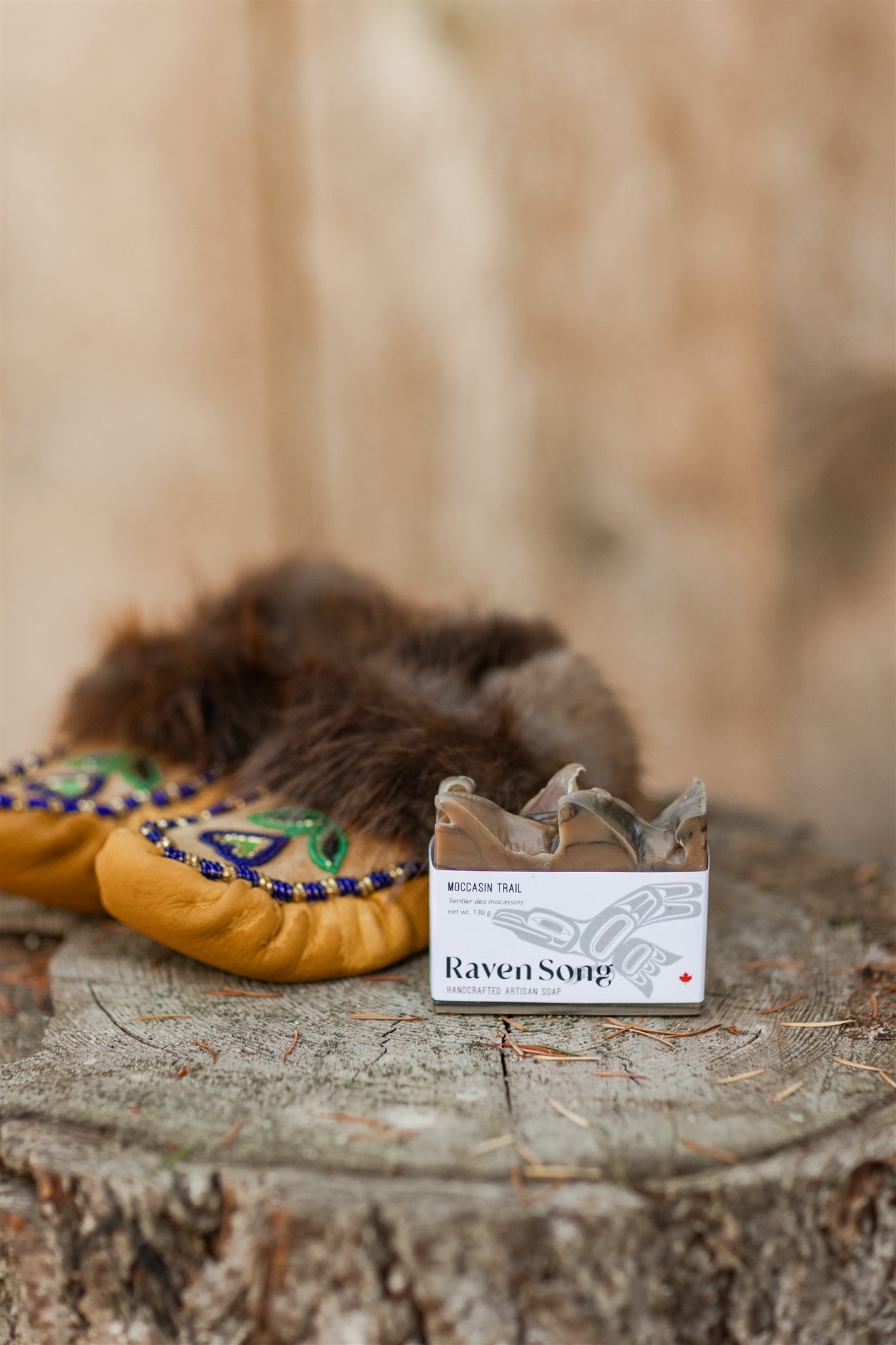
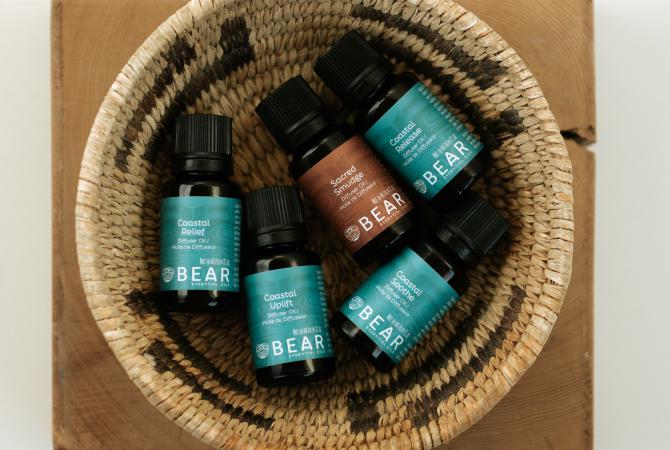
In 2022, I acquired Bear Essential Oils, and in 2023, Valerie Lamirande ( a member of the Haida Nation and founder of RavenSong) began heartfelt conversations with my husband and me about the next chapter for RavenSong. What began as an exchange of words was really an exchange of values—mutual respect, kindness, and a shared vision for where RavenSong could live in our family. For me, it represented a quieter, more land-based part of my healing: a return to the land and its stories, but in a way that was sustainable, rooted, and intentional.
It was never about simply obtaining a Haida-founded brand. It was about expanding the circle of stories reflective of my husband Cody Assu’s and my own heritage—and weaving them together in a way that honored each thread. For us, storytelling is not a possession; it is a gift, an invitation. By carrying RavenSong forward, we sought to create a space where these narratives could live side by side: Indigenous, Southeast Asian, ancestral, and contemporary. In many ways, this was about building platforms for people to gather, to break bread, and to enter into conversation. I have found that we live in a world where dialogue is increasingly difficult where fear, assumption, and anger often silence curiosity and understanding. Through the act of ceremony, through story, and even through something as everyday as soap, we wanted to create offerings that soften the edges, that invite listening and shared humanity back into the room. And importantly, this work is inclusive of all that we are: Nisga'a, Haida , Wet’suwet’en, We Wai Kai, Haida, and Vietnamese. Each strand of our heritage carries teachings, responsibilities, and gifts. Together, they shape how we see the world, how we show up in community, and how we choose to carry stories forward not as singular truths, but as layered, interwoven paths of healing and connection.
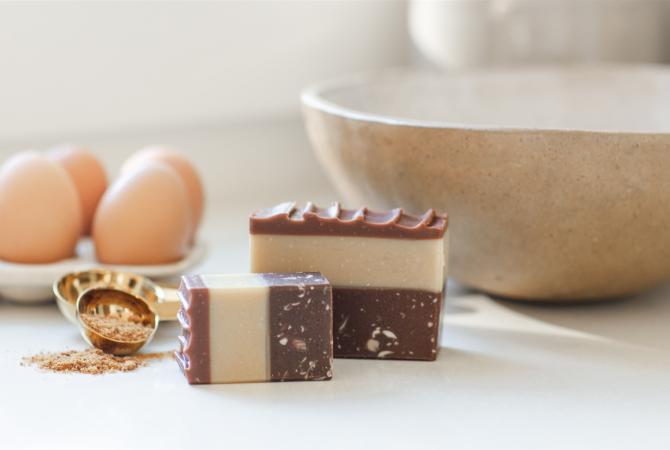
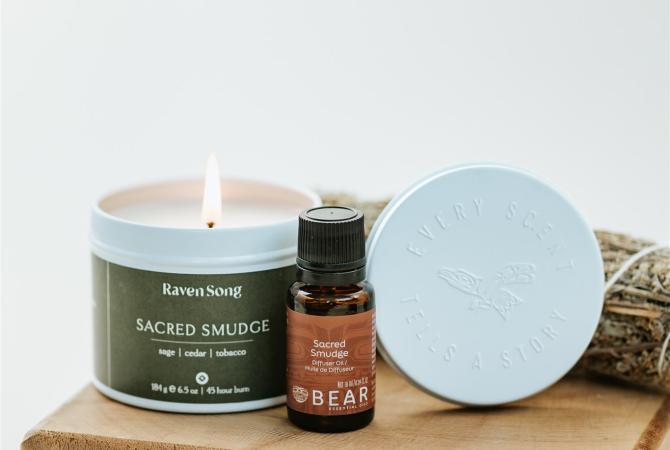
Ironically, while aromatherapy and botanical harvesting were once passions, I had to step back after my wedding and kidney transplant. I discovered I could not consume herbal teas or certain botanicals because they pose serious risks for transplant patients. Many herbs such as Echinacea, St. John’s wort, ginseng, and licorice root are known to stimulate the immune system or interfere with anti-rejection medications like tacrolimus and cyclosporine. If you are interested in learning more, I highly recommend reviewing the National Kidney Foundation as an abundant source of information. For transplant recipients, whose survival depends on suppressing the immune system to prevent organ rejection, these “immune-boosting” effects can be dangerous, even life-threatening. In my case, something as simple as a cup of tea could have undermined my health. This paradox loving and learning from the natural world, yet being unable to consume it in the ways I once did has shaped how I approach my businesses. It forced me to ask: how can we honour plants, land, and ceremony in ways that are healing, reciprocal, and safe? The answer for me has been to create, to tell stories, and to offer products that respect both tradition and science.
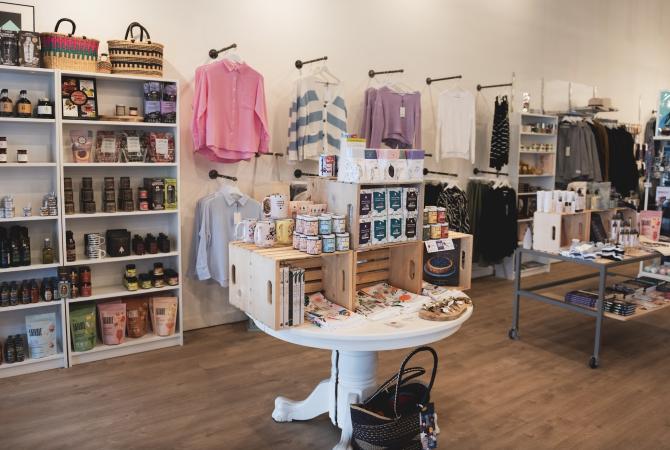
Through Bear Essential Oils, RavenSong, and West Coast Wildflowers, I am building spaces of care and ceremony, not just for myself, but for the communities that raised me and the next generation that will follow.
What's Next?
This is only a small window into my short time on earth, but the path forward is clear: to walk alongside Indigenous youth. Many of the young people who have been with me since grade 10 are now stepping into their final years at UBC, launching careers in commercial fishing, or becoming leaders in their own right. My responsibility and my joy is to support this next generation in every way possible: helping them find mentors, securing funding, opening doors, and even creating new positions within my companies so they can grow. Whether in culture, education, or sport, my commitment is to lift them up, because their success is our shared legacy. As we navigate full calendars and long task lists, JOMO—the Joy of Missing Out—serves as a reminder to pause, step back, and find value in intentional rest. This will be the best advice I give to anyone.

My name is Alissa Assu (Derrick-Nguyễn). I am Nisga’a, Vietnamese, and a proud member of the Wet’suwet’en First Nation—Laksamshu (Fireweed and Owl) Clan, with support from the Gitdumden Clan (Wolf/Bear). I believe the boldest legacy is not what we achieve alone, but what we build together and I will spend my life ensuring that the youth who come after us rise higher than we ever dreamed”.